Korean Bibimbap
Highlighted under: Authentic Collection
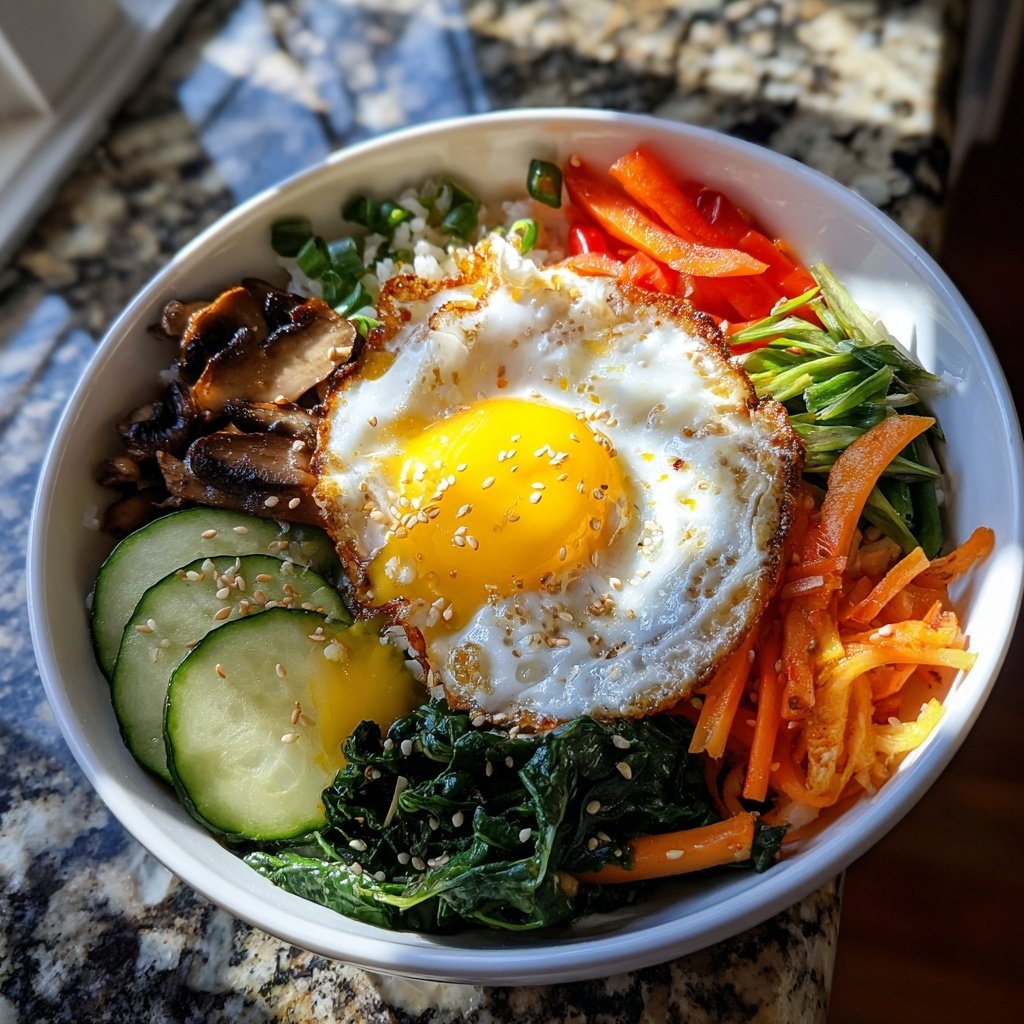
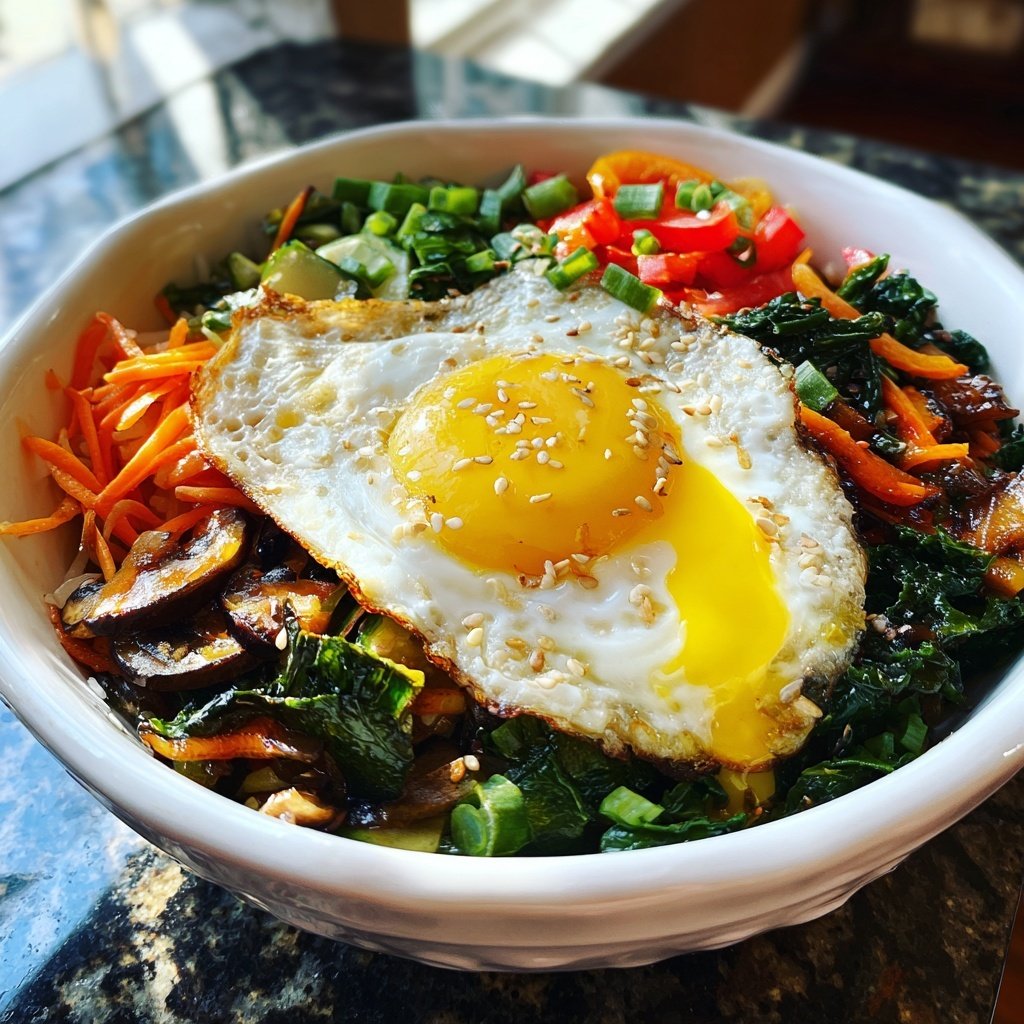
Korean Bibimbap is a colorful and nutritious mixed rice dish topped with various vegetables, a fried egg, and gochujang (Korean chili paste). It's a delightful explosion of flavors and textures in every bite!
Korean Bibimbap is a beloved dish that brings together various ingredients, each representing a different color and flavor. This dish not only looks beautiful but is also a healthy option packed with vitamins and minerals. Enjoy it as a main dish for lunch or dinner, and feel free to customize the toppings to suit your taste!
Why You'll Love This Recipe
- A vibrant mix of flavors and textures
- Healthy and customizable with your favorite veggies
- A fun and interactive meal for family and friends
The History of Bibimbap
Bibimbap, which translates to 'mixed rice' in Korean, has a rich history that dates back to the Joseon Dynasty. Originally a farmer's meal, it was a practical way to use up leftover ingredients. Over time, it evolved into a beloved national dish, symbolizing harmony and balance. Each component represents different elements, from the protein in the egg to the colorful vegetables that signify the beauty of nature.
This dish is often served on special occasions and celebrations, showcasing its cultural significance. Bibimbap's vibrant presentation and diverse flavors make it not just a meal, but a feast for the eyes. Each family may have its unique twist on the recipe, adding personal touches that reflect their culinary heritage.
Nutritional Benefits of Bibimbap
Korean Bibimbap is not just a treat for the taste buds; it’s also a powerhouse of nutrition. The mix of vegetables provides a wide range of vitamins, minerals, and antioxidants. Spinach and bean sprouts are particularly rich in iron and vitamin C, which are essential for maintaining energy levels and overall health. The combination of fresh produce ensures you’re getting a balanced intake of nutrients.
Moreover, the presence of rice as a staple carbohydrate provides sustenance, while the egg adds protein, making it a well-rounded meal. Gochujang, while spicy, is made from fermented ingredients, promoting gut health. This dish allows you to enjoy a delightful meal while also nourishing your body.
Customizing Your Bibimbap
One of the best aspects of Bibimbap is its versatility. You can easily customize the ingredients according to your preferences or what's available in your pantry. For instance, if you're not a fan of shiitake mushrooms, feel free to substitute them with bell peppers or broccoli. This adaptability makes it a fantastic option for both vegetarians and meat lovers alike.
For those looking to add more protein, grilled chicken, beef, or tofu can be excellent additions. Remember, the key to a great Bibimbap is the balance of flavors and textures, so don’t hesitate to experiment with different vegetables and proteins to create your perfect bowl.
Ingredients
Ingredients for Bibimbap
- 2 cups cooked rice
- 1 cup spinach, blanched
- 1 cup bean sprouts, blanched
- 1 carrot, julienned
- 1 zucchini, julienned
- 1 cup shiitake mushrooms, sliced
- 4 eggs
- 4 tablespoons gochujang
- Sesame oil
- Salt and pepper to taste
- Sesame seeds for garnish
Feel free to add any other vegetables or proteins you like!
Instructions
Prepare the Vegetables
In a pan, heat a drizzle of sesame oil over medium heat. Sauté each vegetable separately (spinach, bean sprouts, carrot, zucchini, and mushrooms) for about 2-3 minutes each. Season with salt and pepper to taste. Set aside.
Fry the Eggs
In the same pan, add a little more sesame oil and fry the eggs sunny-side up until the whites are set but the yolks are still runny.
Assemble the Bibimbap
In a large bowl, place a portion of rice at the bottom. Arrange the sautéed vegetables and fried egg on top. Drizzle with gochujang and a bit more sesame oil. Garnish with sesame seeds.
Serve
Mix everything together before eating, ensuring the gochujang is evenly distributed. Enjoy your delicious Korean Bibimbap!
For an even heartier meal, consider adding grilled chicken, beef, or tofu!
Pro Tips
- You can customize Bibimbap with your favorite seasonal vegetables or proteins. Try adding kimchi for an extra kick!
Tips for Perfect Bibimbap
To achieve the ideal texture for your Bibimbap, it's essential to use short-grain rice, as it has a stickier consistency that holds together well. Cooking the rice in a rice cooker can ensure perfectly fluffy results. Additionally, make sure to blanch your vegetables just enough to retain their vibrant colors and nutritional benefits without losing their crunch.
When frying the eggs, consider using a non-stick pan to prevent sticking and ensure that the yolks remain intact. A lid can be placed over the pan for a minute to steam the top of the eggs slightly, ensuring they are perfectly cooked while keeping the yolks runny.
Serving Suggestions
Bibimbap is best enjoyed immediately after assembling, as it allows for the freshest flavors and textures. Serve it with a side of kimchi for that authentic Korean experience. The spicy and tangy kimchi complements the mildness of the rice and vegetables, adding an extra layer of flavor that elevates the dish.
For a fun twist, consider serving Bibimbap in a hot stone bowl (dolsot). This method creates a crispy layer of rice at the bottom, adding a delightful crunch to each bite. Just be sure to adjust the cooking times slightly to ensure everything remains warm and delicious.
Questions About Recipes
→ What can I substitute for gochujang?
You can use Sriracha or a mixture of red pepper flakes and miso paste for a similar flavor.
→ Can I make Bibimbap vegetarian?
Absolutely! Just omit any meat and add more vegetables or tofu for protein.
→ How can I store leftovers?
Store the components separately in airtight containers in the fridge for up to 3 days.
→ Can I prepare this dish ahead of time?
Yes, you can prepare the vegetables and rice in advance. Just assemble and fry the egg when you're ready to eat.
Korean Bibimbap
Created by: Roxanne Fielding
Recipe Type: Authentic Collection
Skill Level: Intermediate
Final Quantity: 4 servings
What You'll Need
Ingredients for Bibimbap
- 2 cups cooked rice
- 1 cup spinach, blanched
- 1 cup bean sprouts, blanched
- 1 carrot, julienned
- 1 zucchini, julienned
- 1 cup shiitake mushrooms, sliced
- 4 eggs
- 4 tablespoons gochujang
- Sesame oil
- Salt and pepper to taste
- Sesame seeds for garnish
How-To Steps
In a pan, heat a drizzle of sesame oil over medium heat. Sauté each vegetable separately (spinach, bean sprouts, carrot, zucchini, and mushrooms) for about 2-3 minutes each. Season with salt and pepper to taste. Set aside.
In the same pan, add a little more sesame oil and fry the eggs sunny-side up until the whites are set but the yolks are still runny.
In a large bowl, place a portion of rice at the bottom. Arrange the sautéed vegetables and fried egg on top. Drizzle with gochujang and a bit more sesame oil. Garnish with sesame seeds.
Mix everything together before eating, ensuring the gochujang is evenly distributed. Enjoy your delicious Korean Bibimbap!
Extra Tips
- You can customize Bibimbap with your favorite seasonal vegetables or proteins. Try adding kimchi for an extra kick!
Nutritional Breakdown (Per Serving)
- Calories: 600 kcal
- Total Fat: 22g
- Saturated Fat: 6g
- Cholesterol: 210mg
- Sodium: 500mg
- Total Carbohydrates: 80g
- Dietary Fiber: 6g
- Sugars: 5g
- Protein: 18g